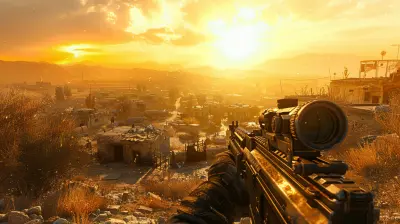
Games That Encourage Active Listening and Collaboration
22 July 2026
Ever played a game that made you go, “Whoa, we really needed to work together for that!”? That’s the magic of games designed around active listening and collaboration. These aren’t just buzzwords; they’re essential life skills. And guess what? Games can be a fun and sneaky way to improve them.
Whether you're a teacher trying to get students to gel, a team leader looking to boost cooperation, or just someone who loves game night with friends, you're in the right place. Let's dive into some of the most engaging and incredibly fun games that don't just entertain—you actually walk away a better listener and team player.
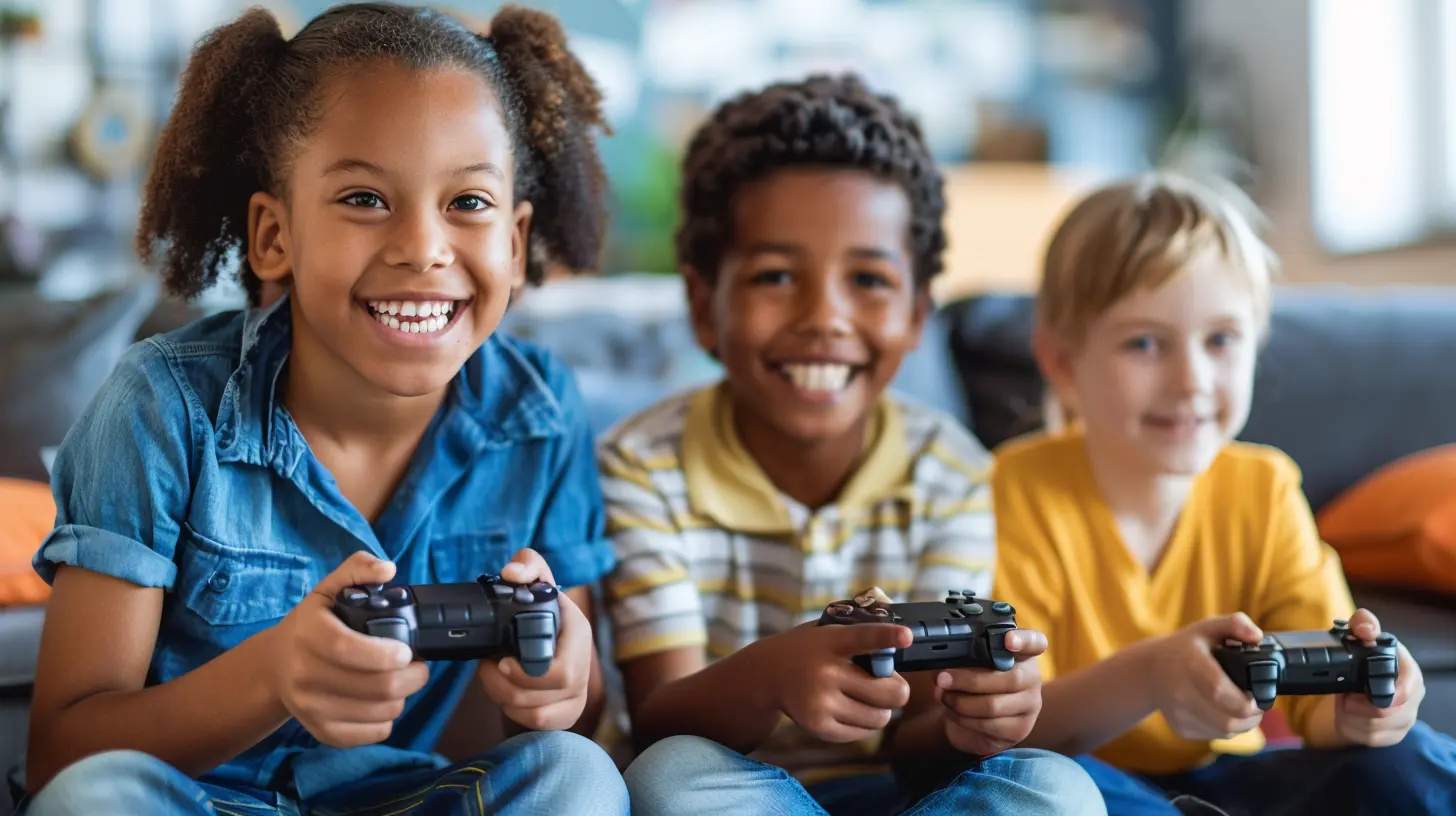
Why Active Listening and Collaboration Matter In Games
Before we jump into the good stuff (the games!), let’s hit pause for a sec. Why do we care so much about active listening and collaboration in the first place?Imagine trying to solve a puzzle with someone who’s not paying attention. Frustrating, right? Active listening isn’t just about hearing words—it's about really absorbing what someone is saying and responding with purpose. Collaboration? That’s the sweet symphony of working together, coordinating, and making magic happen as a unit.
When games build on these elements, they teach us how to communicate better, trust each other, and solve problems more effectively. And here’s the kicker: these skills spill over into real life. You become a better co-worker, partner, friend—you name it.
Alright, enough chat. Let’s gear up for games that bring people together.
1. Keep Talking and Nobody Explodes
Format: Digital
Players: 2+
Skill Focus: Listening, Communication
Talk about a test of nerves and listening skills! In this brilliant co-op game, one person defuses a bomb while the others (who can’t see the bomb) provide instructions from a manual. Sounds like a scene from a spy movie, right?It’s frantic, fun, and forces players to listen carefully and communicate clearly. You can't wing it—success depends on both sides focusing and collaborating like pros.
> Pro Tip: The more you play, the better your team gets at understanding each other’s language and pace. It’s practically a trust-building boot camp in disguise!
2. Overcooked! (and Overcooked! 2)
Format: Digital
Players: 1-4
Skill Focus: Teamwork, Time Management
If you’ve ever worked in a chaotic kitchen, you’ll feel right at home. Overcooked! places you and your friends behind the stove in a fast-paced restaurant. Orders fly in, ingredients get mixed up, and dishes catch fire. Okay, not literally.The game pushes your team coordination to the limit—and rewards players who can listen and adjust quickly to changing tasks. One person chops veggies, another grabs dishes, someone else washes them. It’s hilarious and occasionally maddening… in the best way.
3. Spaceteam
Format: Mobile
Players: 2-8
Skill Focus: Listening, Reaction Speed
Now, imagine a spaceship falling apart and the only thing keeping it alive is yelling out nonsense instructions at each other. Welcome to Spaceteam!Each player has different controls and is given instructions that control someone else’s panel. So you’re shouting and listening at the same time. It’s chaos—but organized chaos.
If you want to build awareness, timing, and the ability to listen in a crowd, this game’s a gem.
4. The Mind
Format: Card Game
Players: 2-4
Skill Focus: Non-Verbal Communication, Team Intuition
Here’s a weird one—but it’s brilliant. In The Mind, you and your teammates are trying to play cards in ascending order. The twist? You’re not allowed to talk.Yup. It’s all about feeling the right time to play your card. It’s a silent challenge in deep, intuitive collaboration.
It might sound simple, but it takes serious teamwork and observation. You begin to notice subtle changes in your teammates’ breathing, eye movements, and even posture. It turns body language into your primary communication tool.
5. Pandemic
Format: Board Game
Players: 2-4
Skill Focus: Strategic Planning, Communication
No, not the real-life pandemic (we’ve had enough of that). This hit board game puts you and your group in charge of stopping global viruses from spreading.Each player has a role with unique powers. The team must share information, strategize, and work as a unit to beat the game.
You can’t have an alpha player dominating—everyone brings something valuable to the table. This game encourages deep strategic conversation and collaborative decision-making. It's proof that brains are better when they stick together.
6. We’re Not Really Strangers
Format: Card Game
Players: 2+
Skill Focus: Deep Listening, Empathy
This one’s a bit different—less about winning and more about connecting.Each player answers personal questions and listens intently to others. It's designed to foster vulnerability and build trust. Think of it like a guided talk that opens doors to meaningful conversation.
Want to make your friendships deeper or learn how to hold space for someone? This is your go-to.
7. Minecraft (Multiplayer Survival Mode)
Format: Digital
Players: Varies
Skill Focus: Planning, Resource Sharing
Yes, Minecraft isn’t just for kids building pixel worlds. When you throw people on a survival map, they have to communicate. Who’s building the shelter? Who’s gathering food? Who’s mining?It’s a blank canvas for collaboration, and active listening is the paint. It rewards teams that share goals, adjust roles, and adapt.
Whether you’re exploring caves or building your dream castle together, coordination and clear communication are key.
8. It Takes Two
Format: Digital
Players: 2
Skill Focus: Synchronization, Mutual Understanding
This beautiful co-op platformer is strictly two-player—and every puzzle is impossible to solve alone. You literally need each other to progress. One flips a switch while the other jumps. One fires a nail, the other swings.The game is peppered with challenges that force real-time communication. You’ll laugh, fail, try again, and slowly sync up like pros.
At its heart, It's a game about partnership and seeing things through someone else’s eyes. If that’s not teamwork, what is?
9. Codenames
Format: Board Game
Players: 2-8+
Skill Focus: Word Association, Indirect Communication
This clever word game has you give one-word clues to help your teammates guess the right words on a board—without tipping off the other team.It’s a masterclass in understanding how others think. You need to give clues that are just vague enough to be clever but specific enough to be useful. And as a guesser? You’ve got to really listen and consider your teammate’s mindset.
Fun, fast-paced, and surprisingly deep.
10. Among Us
Format: Digital
Players: 4–10
Skill Focus: Observation, Discussion
Crewmates. Imposters. Deception.Among Us is all about figuring out who’s lying. To win, you need to explain your actions, listen for inconsistencies, and decide who to trust. Players need to pay attention to subtle cues and piece together the truth.
It’s social deduction at its finest—and while it may involve some sneaky behavior, winning as a team requires sharp ears and quick thinking.
Why These Games Work So Well
Here’s the secret sauce: These games sneak communication skills into something thrilling and competitive. The best ones strike a balance between fun and teamwork, excitement and empathy.They keep you on your toes, make you laugh, and sometimes even humble you. Most importantly, they help you build bonds—whether with coworkers, students, or friends.
And let's be real, in a world full of distractions, isn't it refreshing to be fully present with others—even just for a game?
Tips to Maximize the Experience
Want to take it up a notch? Here’s how to really lean into the collaboration fun:- Debrief After Games: Talk about what worked and what didn’t. What communication styles helped? What got in the way?
- Rotate Roles: Let everyone experience leadership and support positions.
- Stay Patient: These games test your team in real-time. Mistakes are part of the magic.
- Celebrate Wins (and Losses): Collaboration’s not about never failing—it’s about failing better... together.
Final Words
So there you have it—a solid mix of games that challenge your ears, your brain, and your ability to work well with others. Whether you're defusing bombs, chopping onions, or catching imposters, these games pull you closer to your crew—one decision, one conversation, one laugh at a time.Next time you’re planning a game night or a team-building session, don’t just go for the usual suspects. Pick one from this list. You won’t just have fun—you’ll get better at listening, connecting, and cooperating without even realizing it.
And hey, isn’t that what games are all about?
all images in this post were generated using AI tools
Category:
Games And Social SkillsAuthor:

Aurora Sharpe