Examining the Role of Patch Culture in Modern Gaming
30 May 2026
Let’s face it—gaming isn’t what it used to be. Remember blowing into cartridges or waiting months just to get your hands on a “perfect” game? Fast-forward to today, and the landscape has totally transformed. Now, we live in a digital playground where games are constantly evolving after launch. Updates, hotfixes, downloadable content (DLC), and most importantly—patches—have become the unsung heroes (and occasional villains) of modern gaming.
So what exactly is this thing we call “patch culture,” and how did it end up reshaping the way we experience games? Buckle up, because we’re diving deep into the dynamic world of patches—both the good and the ugly.
What Is Patch Culture?
In the simplest terms, a “patch” is a software update that fixes bugs, improves performance, or adds new content. But over time, this system of dropping small (or sometimes massive) updates created what we now call "patch culture."Patch culture refers to the industry-wide norm of releasing games that are constantly in flux—unfinished at launch, fixed later. It’s not just about fixing bugs anymore. It’s about shaping a game with community feedback long after it hits the shelves.
The Origins of Patch Culture
Back in the earlier days of console gaming, patches were practically non-existent. Developers had to get it right the first time. Games were printed on discs or cartridges, so shipping a bug meant living with it—forever. You couldn’t patch a broken level or balance an overpowered weapon after release. It was set in stone.All that changed with the rise of broadband internet and digital distribution platforms like Steam, Xbox Live, and PlayStation Network. Suddenly, developers had a direct line to players. They could monitor player behavior, release updates on the fly, and—crucially—fix their mistakes after launch.
And just like that, patch culture was born.
Why Patch Culture Took Over Modern Gaming
1. Games Are More Complex Than Ever
Think about the size of open-world games today—massive maps, tons of characters, millions of lines of code. It’s no surprise that things break. Developers release patches because it’s nearly impossible to test every combo of player choices, hardware, and online interactions before launch.Patching isn’t just a convenience anymore—it’s a necessity.
2. Time Crunches and Deadlines
Ever heard of the term “crunch” in game development? It’s when developers work long, brutal hours leading up to a release. Even with that crunch, deadlines often force games to launch in less-than-perfect states. So, the plan becomes: ship it now, fix it later. Patches are the safety net.3. Live Service Games Demand It
Games like Fortnite, Destiny 2, and Apex Legends survive on fresh content. They’re living games. Players expect regular updates, seasonal events, and new game modes. Patch culture allows developers to keep things exciting and respond to feedback in real time.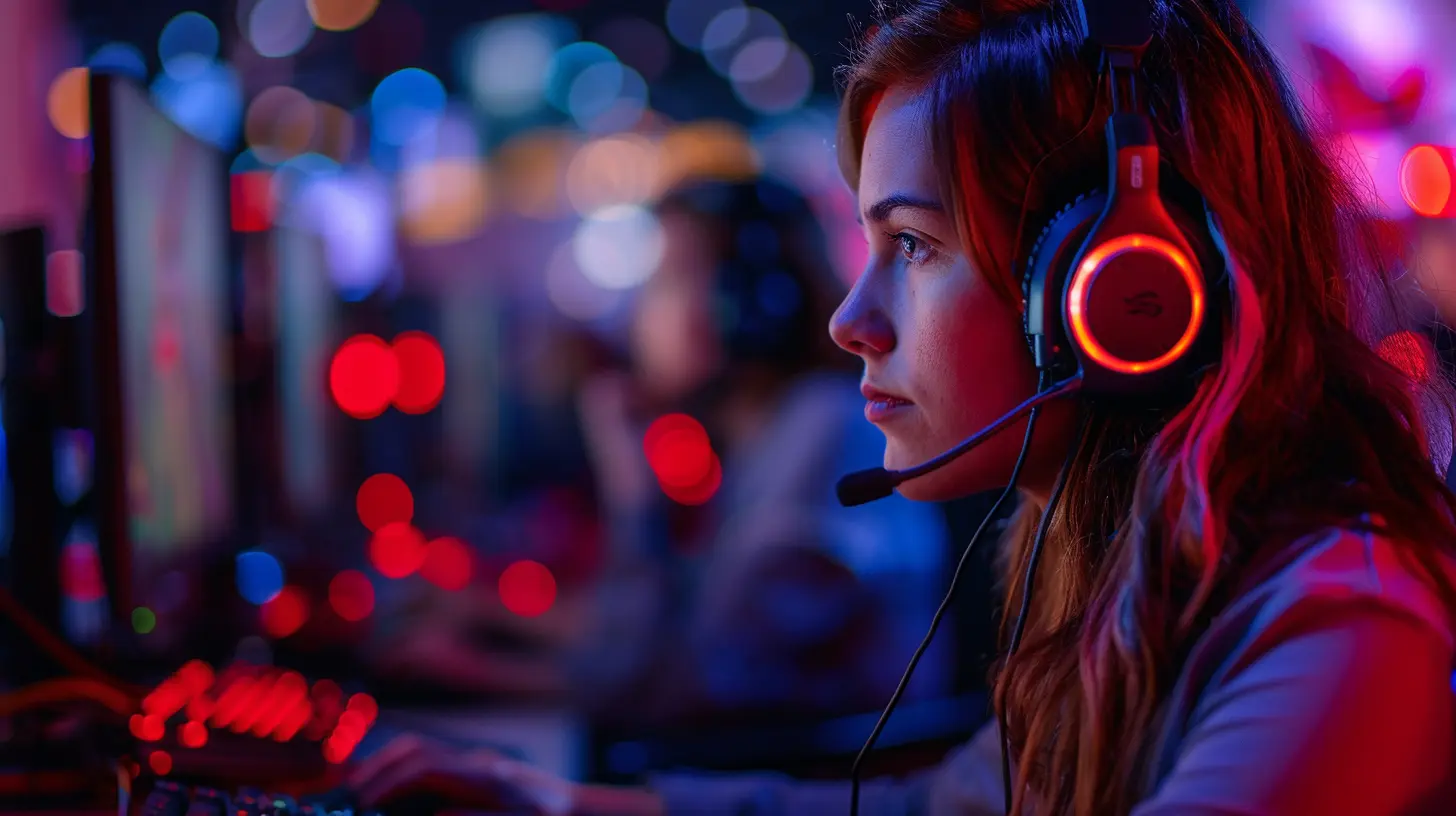
The Good Side of Patch Culture
Let’s not be all doom and gloom—patches have done a lot of good things for gaming.Continuous Improvement
Patches allow developers to polish and refine games post-launch. Bugs that would have tanked review scores? Gone. Awkward controls? Fixed. It’s kinda like buying a car and getting free upgrades every month. Not bad, right?Community Feedback Matters
Many developers now actively listen to their communities. If players find something broken or annoying, a patch can fix it. This feedback loop builds trust and makes players feel heard.Balancing Multiplayer Games
In online shooters or competitive games, balance is everything. A single overpowered weapon or ability can wreck the meta. Patches help keep things fair and fresh.New Features and Content
Patches often include more than bug fixes. They can bring new maps, missions, story updates, or quality-of-life features. Imagine downloading a patch and suddenly having more ways to play—that’s the magic of modern gaming....And the Bad Side
But all that glitters is not gold. Let’s address the elephant in the room: patch culture isn’t always great.Launch Now, Fix Later Mentality
Sadly, some studios abuse patch culture. They knowingly release flawed, buggy, or even half-finished games, promising to fix them “in a future update.” And sometimes that update never comes. It’s like ordering dinner, getting raw chicken, and being told dessert will make up for it.Massive Day-One Patches
You excitedly unwrap your new game, pop it in, and boom—a 40GB day-one patch. What’s the point of physical media if you’re downloading half the game anyway?Broken Promises
Remember those early access games that promised monthly updates... and then just disappeared? Patching can be used as a PR bandage, giving the illusion of progress when nothing’s actually happening.Inconsistent Experiences
Not everyone plays online. Some people don’t connect their consoles to the internet. In those cases, they’re stuck with the unpatched, often inferior version of a game. That’s a pretty raw deal.High-Profile Examples That Shaped the Conversation
Let’s look at a few iconic releases that show the best—and worst—of patch culture.No Man’s Sky
When it launched in 2016, people were furious. The game was missing key features and felt like a massive letdown. But the developers didn’t give up. Over the years, patch after patch turned it into the game everyone originally hoped for. It’s now a textbook case of redemption through patches.Cyberpunk 2077
One of the most hyped games of the decade also became one of the most broken at launch. Crashes, glitches, missing features—you name it. CD Projekt Red eventually rolled out a series of large patches to stabilize the game, but the damage to its reputation was already done.Fortnite
Epic Games flipped the script by using patches not just for fixes but for constant reinvention. New map areas, limited-time events, and evolving storylines transformed it from a regular shooter into a global sensation.The Role of Players in Patch Culture
Here’s the cool part—players have become part of the development team, in a way. Through forums, subreddits, Discord groups, and social media, gamers influence which bugs get prioritized, which features get added, and what gets nerfed or buffed.You’re not just a consumer anymore; you’re a collaborator.
Is Patch Culture Good or Bad?
Honestly? It’s both.Patch culture has empowered developers to support their games longer, improve after release, and create more dynamic worlds. But it’s also allowed a dangerous trend of rushing games to market with the promise of fixing them later.
We, as players, need to hold studios accountable. We need to demand quality launches while appreciating the long-term support patches provide. It’s a tricky balance—but one worth fighting for.
How Patch Culture Will Shape the Future of Gaming
1. Longer Game Lifespans
With constant updates, a single game can last years instead of months. That means fewer new games coming out but deeper, more personalized experiences for the ones we already have.2. Greater Community Involvement
Look for more community polls, beta testing opportunities, and open development roadmaps. Developers want your input more than ever.3. AI-Driven Patch Deployments
Yep, artificial intelligence is coming for patch management too. Some devs are already using machine learning to detect bugs, balance gameplay, and even write minor code fixes.4. Increased Pressure on Transparency
Gamers are smarter now. We can sniff out marketing fluff from a mile away. Devs will need to be more open about what’s in their patches and stick to their timelines.Final Thoughts
Patch culture is like a double-edged sword. On one side, it's saving games, extending their lifespans, making them better over time. On the other, it’s a crutch that some companies lean on way too hard. As players, we should embrace the good while calling out the bad.Next time you hit that “update” button on your favorite game, think about what it really means. You’re not just downloading files—you’re shaping the future of gaming, one patch at a time.
all images in this post were generated using AI tools
Category:
Game PatchesAuthor:

Aurora Sharpe
Discussion
rate this article
2 comments
Matilda Turner
Patch culture: when fixing bugs feels like a game itself!
July 11, 2026 at 4:50 AM
Aurora Sharpe
Absolutely! Patch culture adds a unique layer to gaming, turning bug fixes into a quest of their own. It's fascinating how players engage with these updates like part of the gameplay experience.
Thor McGinn
Patch culture has transformed gaming, enhancing experiences and fixing issues post-launch. However, it can also lead to concerns about unfinished games and reliance on updates. Balancing timely patches with quality releases is essential for player trust and long-term engagement.
June 5, 2026 at 2:52 PM
Aurora Sharpe
You make a great point. While patches can improve games, the risk of relying too much on them for fixes is real. Developers need to focus on delivering quality at launch to maintain player trust. Balancing both is key for the industry's future.