Epic Comebacks That Changed the Course of Gaming History
5 July 2026
Let’s be honest—everyone loves a good comeback story.
Whether it’s that underdog team in a multiplayer tournament or a game developer bouncing back after a public failure, the world of gaming is full of moments that made us drop our jaws and cheer in disbelief. These aren't just minor victories. These are epic comebacks that changed the course of gaming history.
Some changed how games were made. Others shifted entire communities. A few? They saved careers, companies, and even whole franchises from the brink of collapse.
Grab a snack and let’s dive into some of the greatest gaming comebacks of all time—the moments when hope seemed lost, but the turnaround was nothing short of legendary.
The Resurrection of No Man's Sky
Let’s kick things off with a comeback so astonishing it still feels like a fairytale.When No Man's Sky launched in 2016, expectations were sky-high. But when players booted it up for the first time, the disappointment was… well, planetary. Features that were promised weren’t there. It was buggy, empty, and just felt unfinished.
The backlash? Brutal.
Some called it one of the biggest letdowns in gaming history. But instead of folding, Hello Games, a small indie team, took the criticism and got to work—quietly.
Over the years, they released update after update, each one adding massive improvements: multiplayer, base-building, immersive storylines, graphical upgrades, and so much more. Today, it’s a completely different game. One that fans adore and respect.
That, my friends, is the definition of a comeback.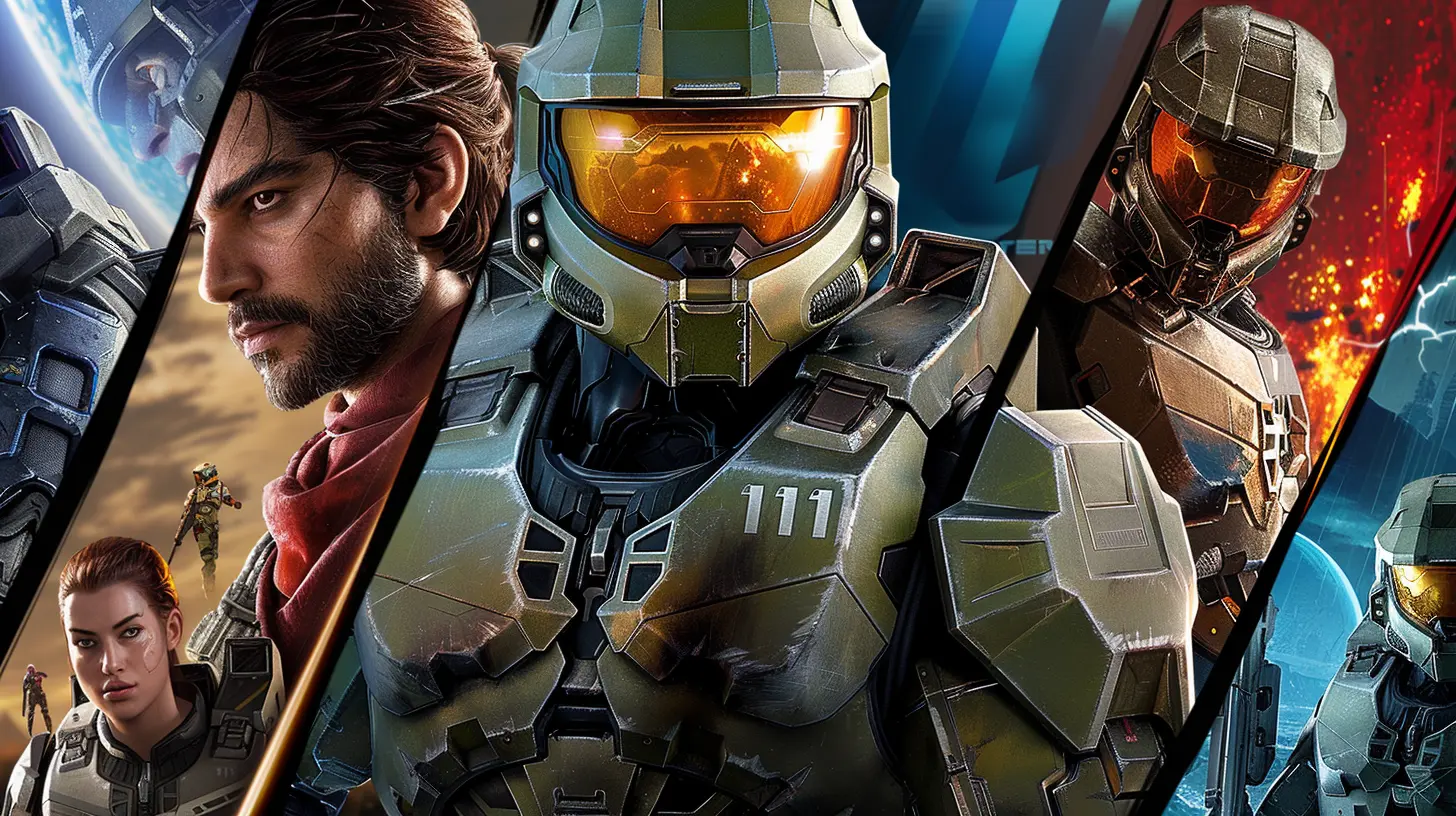
Final Fantasy XIV: From Catastrophe to Classic
This one’s for the MMORPG lovers.When Final Fantasy XIV first launched in 2010, it was a hot mess. We're talking disastrous UI, a clunky combat system, and an overall lifeless world. Even die-hard Final Fantasy fans ditched it early.
Square Enix could’ve abandoned ship. But instead? They hit the reset button — literally.
They shut down the servers and rebuilt the game from the ground up. The relaunch came in 2013 as Final Fantasy XIV: A Realm Reborn, and it was everything fans hoped for and more.
Today, it's one of the most successful and beloved online RPGs out there, with a thriving community and constant updates. This phoenix rose from the ashes and set the standard for how to recover from failure.
Doom (2016): The Godfather Returns
The original Doom changed gaming forever. But in the years that followed, the franchise sort of faded into the background. It tried to evolve with Doom 3, but the slow, horror-inspired gameplay didn’t click with longtime fans of the fast-paced demon-blasting action of the original.Then 2016 happened.
iD Software brought Doom roaring back with a reboot that’d make your grandma want to punch a demon. It was fast. It was furious. It was metal. And it was everything fans didn’t know they needed.
No more hiding. You were the hunter, not the hunted.
The blend of old-school energy with modern mechanics made Doom (2016) one of the greatest comebacks in FPS history. It reminded us that the king of shooters still had some serious firepower left in the chamber.
The Fall and Rise of Xbox One
Remember the Xbox One announcement in 2013? Not the console launch — the announcement.Yeah… it was rough.
Microsoft focused heavily on TV integration, mandatory Kinect usage, and always-online DRM. Gamers weren’t impressed. Sony, meanwhile, took shots and won the PR war with one slick video explaining how sharing games on PS4 worked. It was brutal.
By the time Xbox One hit shelves, it was already playing catch-up.
But then something crazy happened.
Phil Spencer took charge of Xbox and started making moves. DRM was dropped. Kinect was made optional. Cloud gaming was introduced. Backward compatibility was added. Game Pass was born. Xbox transformed into a service-first, consumer-friendly brand.
Now, Xbox stands tall with a thriving ecosystem, killer content strategy, and hardware that competes toe-to-toe with PlayStation again.
Not bad for a console that was nearly meme-fodder at launch, right?
Resident Evil: Dead and Buried? Not Quite
Another dead-and-gone franchise? Resident Evil.Let’s rewind to Resident Evil 6. It went full-on action, with explosions and shaky cams galore. A lot of fans bounced, confused by the series' identity crisis.
Was this still survival horror, or just a Michael Bay film with zombies?
The future looked uncertain.
Then came Resident Evil 7: Biohazard.
New engine. First-person perspective. Scary as hell. It brought the horror back—raw and refined. The series had its soul again.
And as if that wasn’t enough, Capcom doubled down with remakes of Resident Evil 2 and 3, pleasing both old fans and newcomers. The franchise is now more alive than most of its enemies. A comeback for the ages.
Fortnite: From Flop to Pop Culture Phenomenon
This one might surprise you.Fortnite didn’t start as a Battle Royale. Nope. It was originally a coop PvE game where players built forts to survive waves of AI-controlled enemies. Sound familiar? It's because hardly anyone played it.
Then something interesting happened: Epic Games pulled a wild card and added a free-to-play Battle Royale mode.
Boom.
It exploded. Seemingly overnight, Fortnite went from an obscure title to a cultural powerhouse. Twitch was flooded. Schools were banning dances. Pro players were born. Drake was streaming. And that was just the beginning.
Whether you love it or loathe it, you can’t deny the size of the pivot. It's a masterclass in reading the market and turning failure into full-blown global success.
The Slow-Burn Return of Warframe
Back in 2013, Warframe launched to meh reception. It was grindy, shallow, and frankly, just a little awkward. The movement felt sluggish, and the game lacked depth. It was niche at best.But the community stuck around—and so did the developers. Digital Extremes improved everything based on player feedback. Over time, they added new missions, open-world areas, cinematic quests, better combat, and one of the slickest parkour systems in gaming.
Today? Warframe is one of the most respected free-to-play games out there with a loyal fanbase and a constant flow of updates.
Not all comebacks are fast, and Warframe is proof that sometimes the best ones are built brick by brick.
The Revival of Sonic the Hedgehog
Let's not sugarcoat it: Sonic had a rough couple of decades.After some classic entries in the 90s, the 3D transition wasn't kind. Games like Sonic the Hedgehog (2006) were clunky, buggy, and just flat-out weird. The fanbase kept hope alive, but things weren’t looking good.
Then came Sonic Mania in 2017—made partially by fans, no less.
This was the Sonic game fans had been dreaming about: pixel-perfect platforming, nostalgic design, and a killer soundtrack. It went back to Sonic’s roots while still feeling fresh.
Suddenly, the blue blur was back in business.
Add to that the surprising success of the Sonic movies, and now Sonic isn’t just surviving—he’s thriving.
Destiny's Second Chance
Destiny had one of the most hyped launches in modern gaming. But when it finally dropped? It was shallow, repetitive, and lacking a compelling story. Players weren’t happy, and Bungie took the heat.But instead of letting it fade away, Bungie refined the game, expanded the universe, and most importantly—listened.
Then came Destiny 2, which had its own rocky start. But with major expansions (Forsaken, The Witch Queen, etc.), improved storytelling, richer endgame content, and Bungie's independence from Activision?
Now we’re talking.
Millions of players log in every week. It’s become one of the biggest live-service games of all time—and a prime example of what can happen when a developer refuses to give up on its vision.
Cyberpunk 2077: Crash, Burn, and Rise
We couldn’t write this list without mentioning Cyberpunk 2077.It launched in 2020 with the kind of hype usually reserved for console reveals and superhero movies. But when it finally hit the shelves? Oof. Bugs, crashes, performance issues—it was rough, especially on last-gen consoles.
CD Projekt Red took a massive hit.
But they didn’t run from it. They rolled up their sleeves and got to work. Patch 1.5, 2.0, and the Phantom Liberty expansion changed the game—literally. Now, Cyberpunk 2077 is the polished, gripping RPG it was always meant to be.
It may have stumbled out the gate, but it sprinted over the finish line.
Why We Love a Good Comeback
So why do these stories hit us so hard?Because comebacks inspire us. They teach us that failure isn’t final. That even in the darkest patch notes and lowest Metacritic scores, there’s a chance for redemption.
In a way, it reflects real life. We all make mistakes. We all fall short. But what matters is whether we get back up—and how.
Gaming comebacks aren’t just about great development decisions or marketing pivots. They’re about passion, persistence, and the power of believing things can be better.
If that’s not worth cheering for, what is?
Final Thoughts
From indie studios to AAA giants, the gaming world is full of phoenix stories—titles and teams that looked doomed before pulling off a miraculous second act.In an industry that moves fast and hits hard, these epic comebacks not only saved reputations—they reshaped the landscape.
So next time your favorite game lets you down, don’t rage-quit just yet. Who knows? It might just be the next great comeback in gaming history.
all images in this post were generated using AI tools
Category:
Best Gaming MomentsAuthor:

Aurora Sharpe
Discussion
rate this article
1 comments
Kason Lozano
This article brilliantly highlights the pivotal moments in gaming history where comebacks reshaped entire franchises. These stories remind us how resilience and creativity can redefine the gaming landscape. A must-read for any gaming enthusiast!
July 5, 2026 at 4:30 PM
Aurora Sharpe
Thanks for your kind words! I'm glad you found the stories inspiring. Resilience truly makes a difference in gaming.