Celebrating the Cultural Impact of Arcades in the 80s
31 October 2025
Let’s hop in a virtual DeLorean and dial it back to the radical era of cassette tapes, high-tops, and neon everything—the 1980s. But we're not talking fashion or music (though they were awesome). Nope, we're talking about something even more iconic: arcades.
Yep, those dark, noisy, glowing wonderlands where quarters reigned supreme, and everyone wanted to claim the top score. Arcades weren’t just places to waste time—they were cultural hubs, melting pots of community, competition, and tech innovation. In this post, we’re going all in on why the arcade scene of the 80s was not just a phase but a seismic pop culture phenomenon that helped shape the gaming world we know and love today.
The Birth of a Golden Age
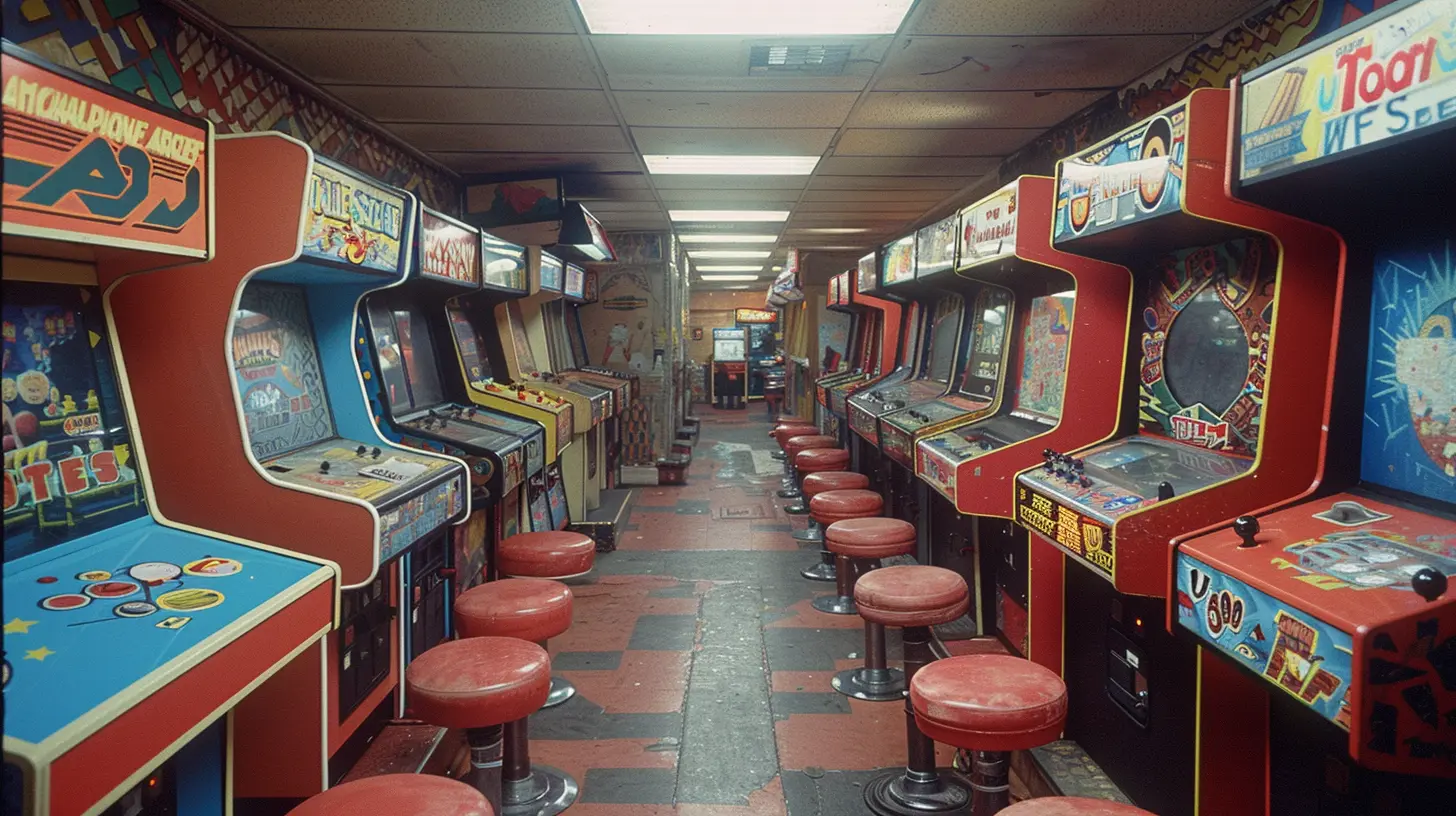
Arcades didn’t exactly pop out of nowhere in the 80s. They’d been quietly developing through the 70s with games like Pong and Breakout. But when Space Invaders landed in 1978, it was like somebody hit the turbo button.By the time the '80s rolled in, arcades had become the hottest spot in town. We’re talking about a full-blown explosion—arcades popped up in malls, pizza joints, gas stations, and even grocery stores. Suddenly, gaming wasn’t just for the nerdy kids; it became the thing everyone wanted to do.
The Allure of Glowing Screens and Bleeping Sounds
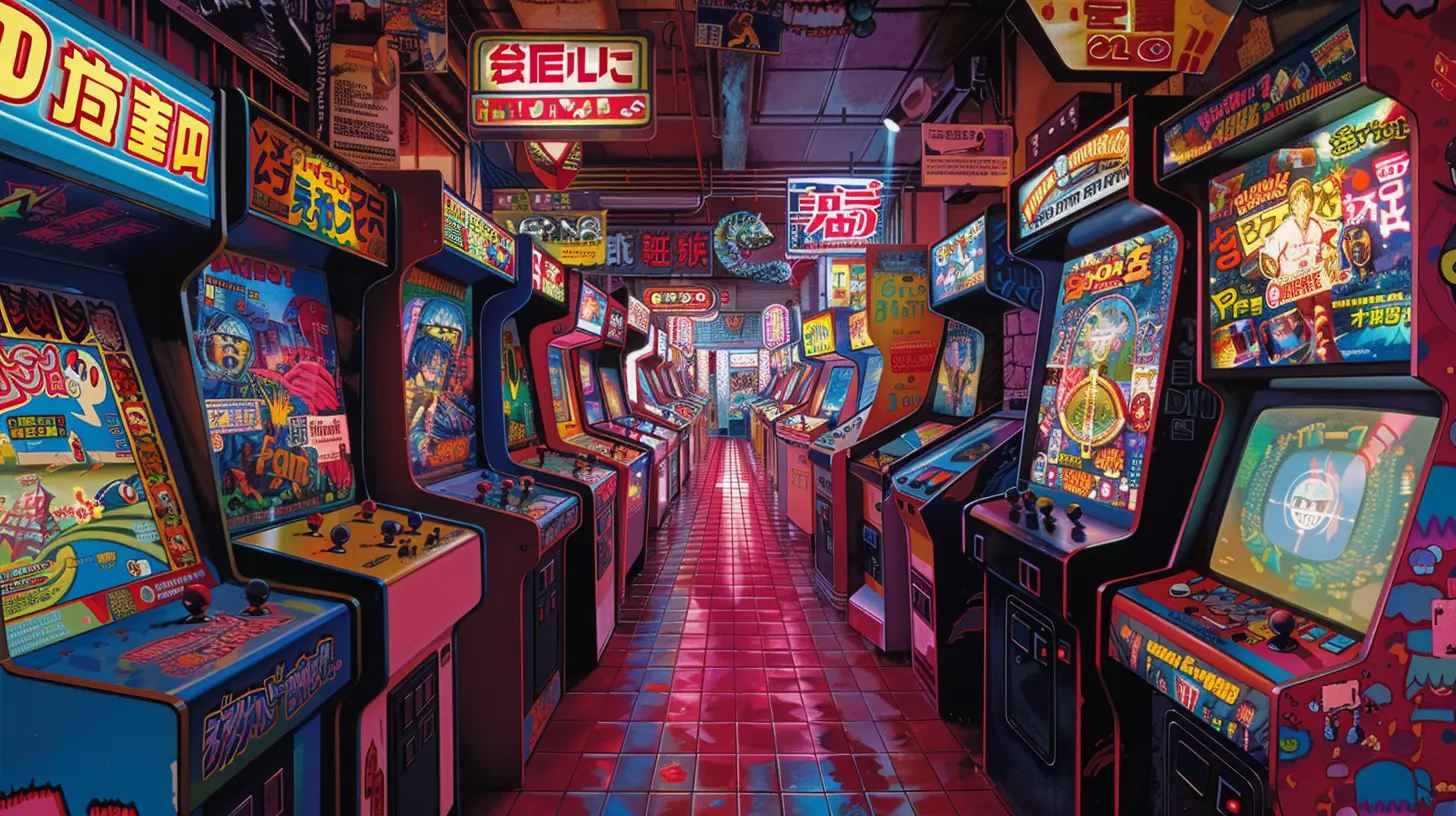
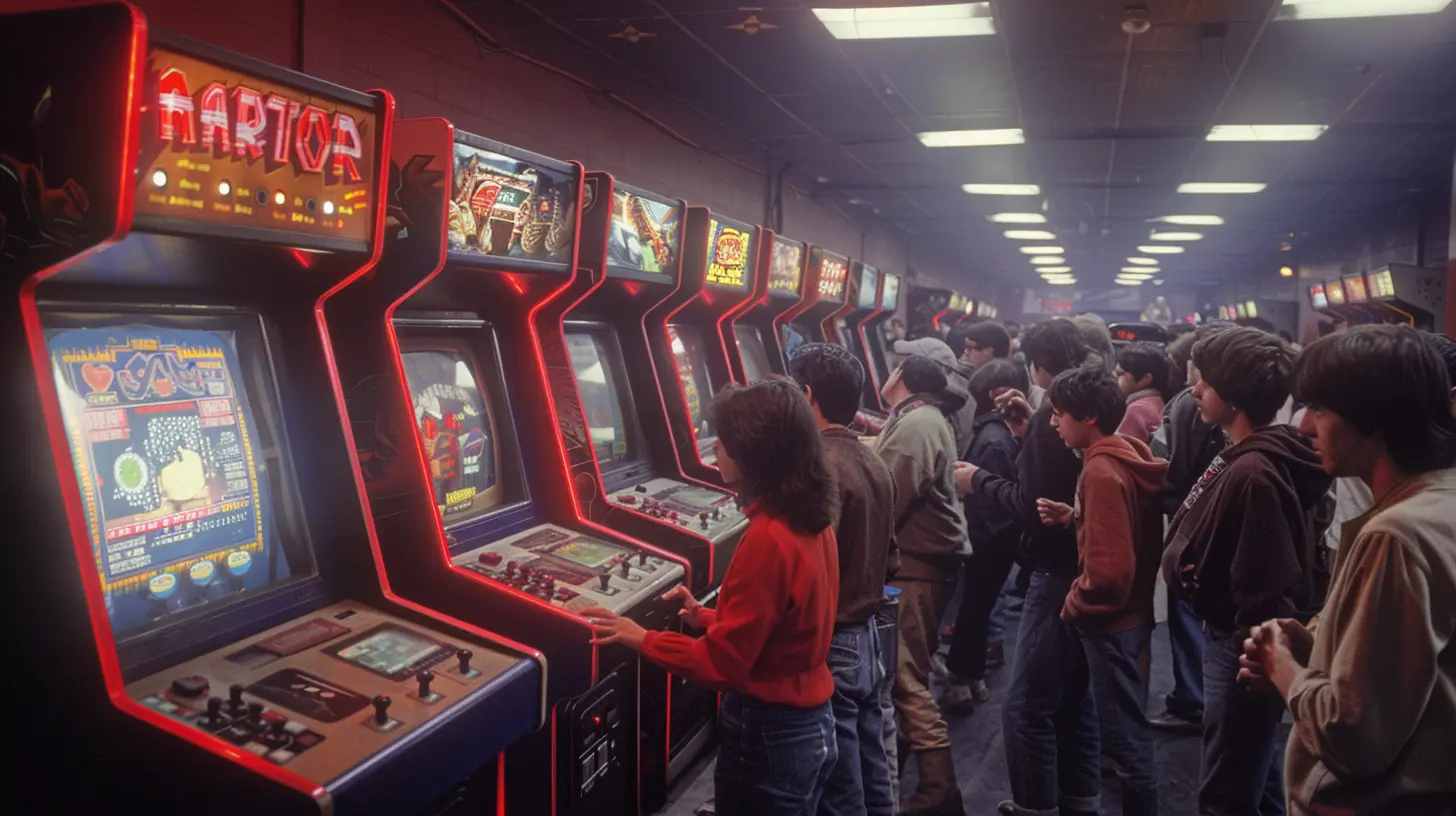
If you've ever walked into an old-school arcade, you know exactly what I’m talking about. That buzzing hum of a hundred machines, the hypnotic swirl of colorful lights, the unmistakable beep-boop-beep of a spaceship being obliterated—pure magic. Arcades were sensory overload in the best possible way.But beyond the lights and noise, it was about more than just putting quarters in machines. Playing at the arcade was a shared experience. You’d stand in line, watch someone crush a level, then step up with sweaty palms to try and beat their score. It was thrilling, social, and had all the intensity of a schoolyard showdown—with pixelated firepower.
Iconic Games That Defined an Era
The 80s blessed us with some absolute bangers that changed the way we saw video games. These weren’t just good games; they were cultural milestones.🎮 Pac-Man (1980)
The yellow circle with an appetite became a global phenomenon. Pac-Man wasn’t only iconic—it broke gender barriers by attracting a female audience long before inclusivity was even a talking point in gaming.🧟 Donkey Kong (1981)
This is where we met Mario, back when he was just “Jumpman.” Add in a giant gorilla and a damsel in distress, and you’ve got the start of gaming’s most famous franchise.🚀 Galaga (1981)
Fast-paced alien-blasting action? Yes, please. Galaga was the game that made you feel like a space hero every time you walked away with your initials blazing on the screen.🧟♂️ Street Fighter (1987)
Okay, technically late 80s—but we can’t ignore the rise of fighting games. Street Fighter set the stage for multiplayer battle games and upped the competitive spirit in arcades.👾 Other Mentions
You can’t talk about 80s arcades without shouting out Centipede, Frogger, QBert, and Defender*. Each brought something unique and helped cement arcades as the ultimate escape for kids and teens.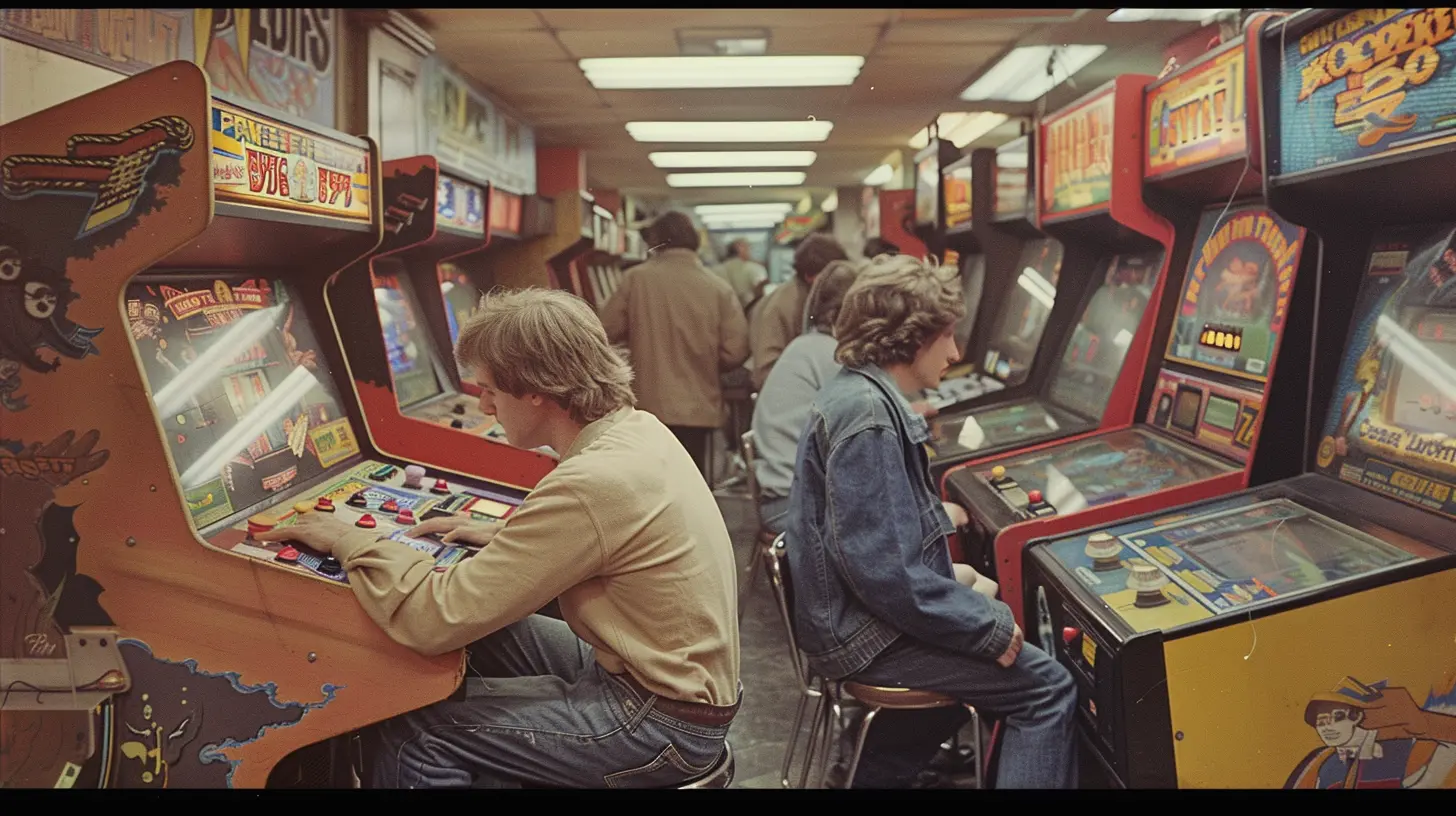
Arcades as a Pop Culture Force
Arcades weren’t just gaming venues. They were influencers before influencer was a word. The design, music, movies, and even slang of the 80s all soaked up arcade vibes. You’d see arcade games featured in films like Tron, WarGames, and The Last Starfighter. TV shows and toys started mimicking arcade aesthetics. It became its own visual language—one that screamed “cool.”Arcades also transformed how we approached tech. Suddenly, programming, design, and electronics weren’t just geeky hobbies—they were the engines behind these epic machines, sparking dreams of tech careers for an entire generation.
The Social Side of Coin-Op Culture
One of the most overlooked, yet deeply important, parts of the 80s arcade boom was the human aspect. You didn’t just go to play—you went to connect.Remember that guy who could get to level 256 on Pac-Man without breaking a sweat? Or the girl who owned everyone in Mortal Kombat (early 90s, we know, but legacy matters)? These folks were local legends. Arcades became breeding grounds for informal competition and budding friendships.
And hey, let’s not ignore the love stories that started while sharing a booth waiting for your turn at Galaga. The arcade scene wasn’t just about games. It was about community, eye contact, and sometimes even a high-score romance.
The Rise and Fall (But Not Quite the End)
The 80s were a peak, but by the early 90s, home consoles like the NES and Sega Genesis began pulling the spotlight. Why drop quarters all day when you could game from the comfort of your beanbag chair?Arcades didn’t vanish completely, but they definitely faded. Still, the legacy was locked in. Those early arcade games laid the groundwork for everything from game mechanics to esports.
A Wave of Nostalgia and Revival
Here’s the fun twist—arcades are making a comeback. No, not in the same way as before, but reimagined for today. Think barcades, retro arcades, and even mobile versions of 80s classics.Millennials and Gen Xers are dragging their kids to vintage arcades and saying, “Look, this was my Fortnite.” And those pixelated games are still fun. Really fun. There’s something pure and satisfying about them that modern games, with all their cinematic glory, sometimes miss.
Reboots of classic franchises, retro-style indie games, and 80s-themed pop culture events show that the arcade era still has serious street cred.
Tech Innovation Sparked by 80s Arcades
Let’s not forget—many of today’s gaming innovations trace their roots back to those coin-op cabinets.- Game Design Principles: Lives, continues, boss fights—these mechanics were honed in the arcade ecosystem.
- Visual Artistry: Pixel art started here and is still a beloved style in modern indie gaming.
- Soundtracks: Chiptune music is iconic now, but it started because designers were wrangling tiny processors to make catchy, loopable tracks.
- User Interface: Even the way we use joysticks, buttons, and HUDs (heads-up displays) grew from arcade design.
These machines were limited—but creativity thrives on limitations. The result? Genius-level innovations that still rock the gaming world today.
Why the Arcades of the 80s Still Matter
So, what’s the big deal about a bunch of old boxes with glowing screens and chirpy sounds?Because it wasn’t just about the games. The 80s arcade scene symbolized a moment when tech, entertainment, and community collided with a big, beautiful bang. It brought people together, stirred innovation, and introduced the world to what digital fun could be.
Arcades were where shy kids could feel like heroes. Where strangers became rivals and sometimes friends. Where imagination was rewarded and skills mattered. It was one giant pixelated playground—and honestly, we owe modern gaming a huge thank-you to those humble beginnings.
Keeping the Legacy Alive
Want to relive the glory? Here’s how you can still experience the magic of 80s arcades:- Visit retro arcades or barcades in your area.
- Download classic games on modern platforms like Switch, Xbox, or PlayStation.
- Try emulators (ethically, of course) to play old favorites.
- Introduce your kids to games like Frogger, Dig Dug, or Asteroids—trust us, they'll get hooked.
Or go all out and build your own Raspberry Pi-powered arcade cabinet. The DIY movement is strong, and it’s easier than ever to create your own slice of nostalgia.
Final Thoughts
Celebrating the cultural impact of arcades in the 80s isn’t just about reminiscing—it’s about honoring one of the most explosive and transformative moments in gaming history. Those dimly-lit rooms filled with beeps, buttons, and bonding laid down the pixelated path that today’s billion-dollar industry still treads.So next time you hear a chiptune beat or see an old arcade machine tucked in the corner of a diner, take a moment. Drop in a quarter. Relive the magic. Because arcades weren’t just games—they were a way of life.
all images in this post were generated using AI tools
Category:
Arcade GamesAuthor:

Aurora Sharpe
Discussion
rate this article
2 comments
Roxie McHugh
The 80s arcade era was a vibrant cultural phenomenon, shaping social interactions, gaming trends, and pop culture. It's fascinating to see how these spaces fostered community and creativity among gamers.
April 5, 2026 at 3:22 AM
Aurora Sharpe
Absolutely! The 80s arcade scene was all about connection and creativity, bringing gamers together in a way that shaped our culture for years to come.
Owyn Myers
Great article! The 80s arcades were truly a cultural phenomenon, fostering community and innovation in gaming. It's fascinating to see how they influenced today's gaming landscape. Thank you for highlighting their significance!
October 31, 2025 at 3:47 AM
Aurora Sharpe
Thank you! I’m glad you enjoyed the article and appreciate the importance of arcades in shaping gaming culture.