Can Video Games Improve Real-Life Social Behavior?
3 April 2026
Let’s be real—video games have come a long way from the pixelated screens and single-player marathons of the past. What was once seen as an isolated hobby tucked away in dark bedrooms is now a globally connected experience, with players chatting, collaborating, and forming friendships across continents. With this shift, a new question has started to buzz around: Can video games improve real-life social behavior?
It might sound a bit contradictory. After all, how can spending hours in a virtual world actually help you be more social in the real one? But stick with me, because the answer might surprise you—and it’s not just a “yes,” it’s a “heck yes, and here’s why!”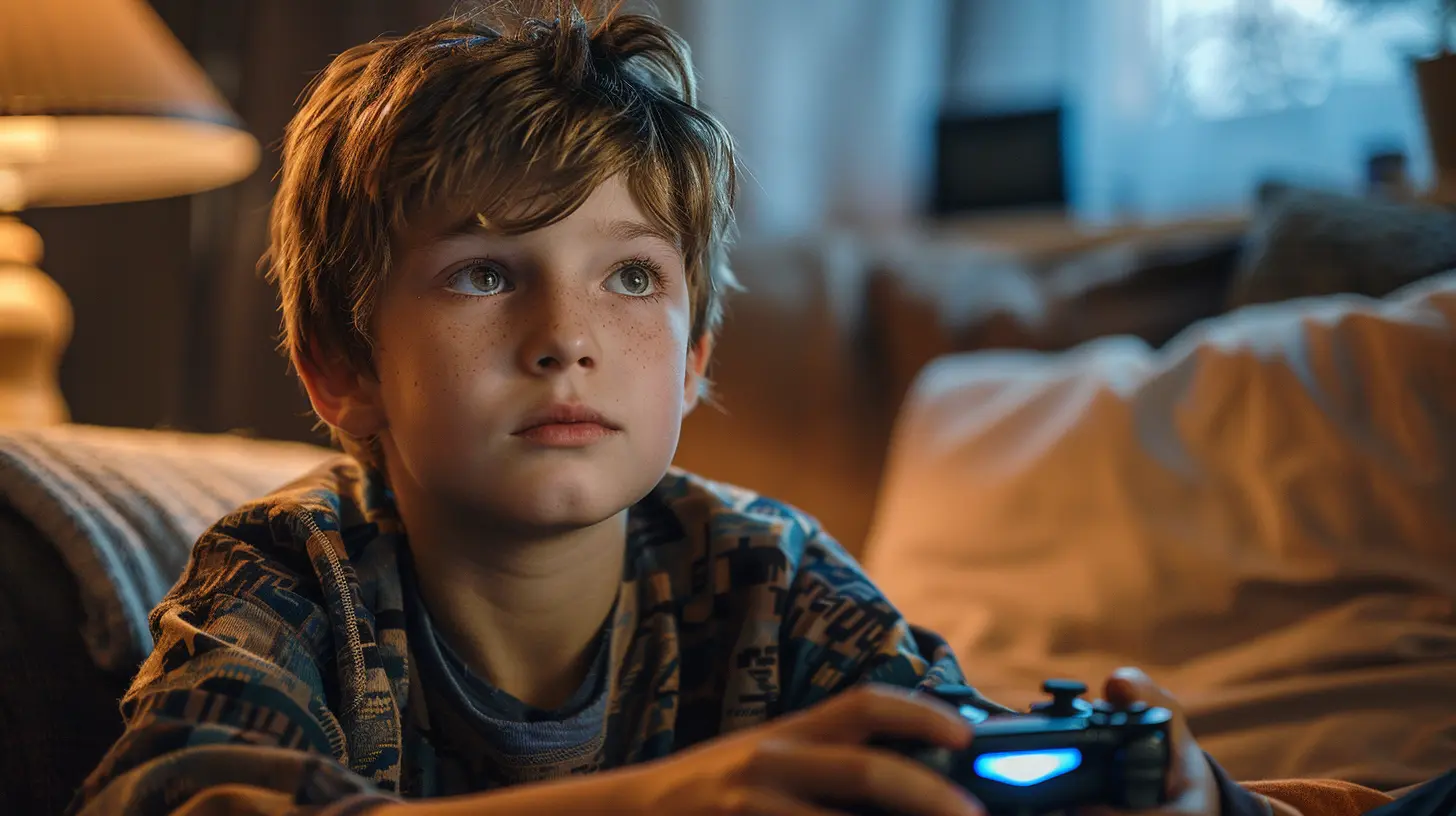
Understanding the Social Side of Gaming
Let’s kick things off by getting something straight: not all video games are the same. Some are strictly single-player experiences meant to immerse you in a story, while others are built around teamwork, competition, and community interaction.Think about games like “Fortnite,” “Overwatch,” or “Among Us.” These aren't just games—they're interactive social platforms. Players are constantly communicating, strategizing, and sometimes even throwing a little friendly trash talk into the mix. This constant back-and-forth mimics real-world social interactions, training people in the art of communication, collaboration, and emotional regulation.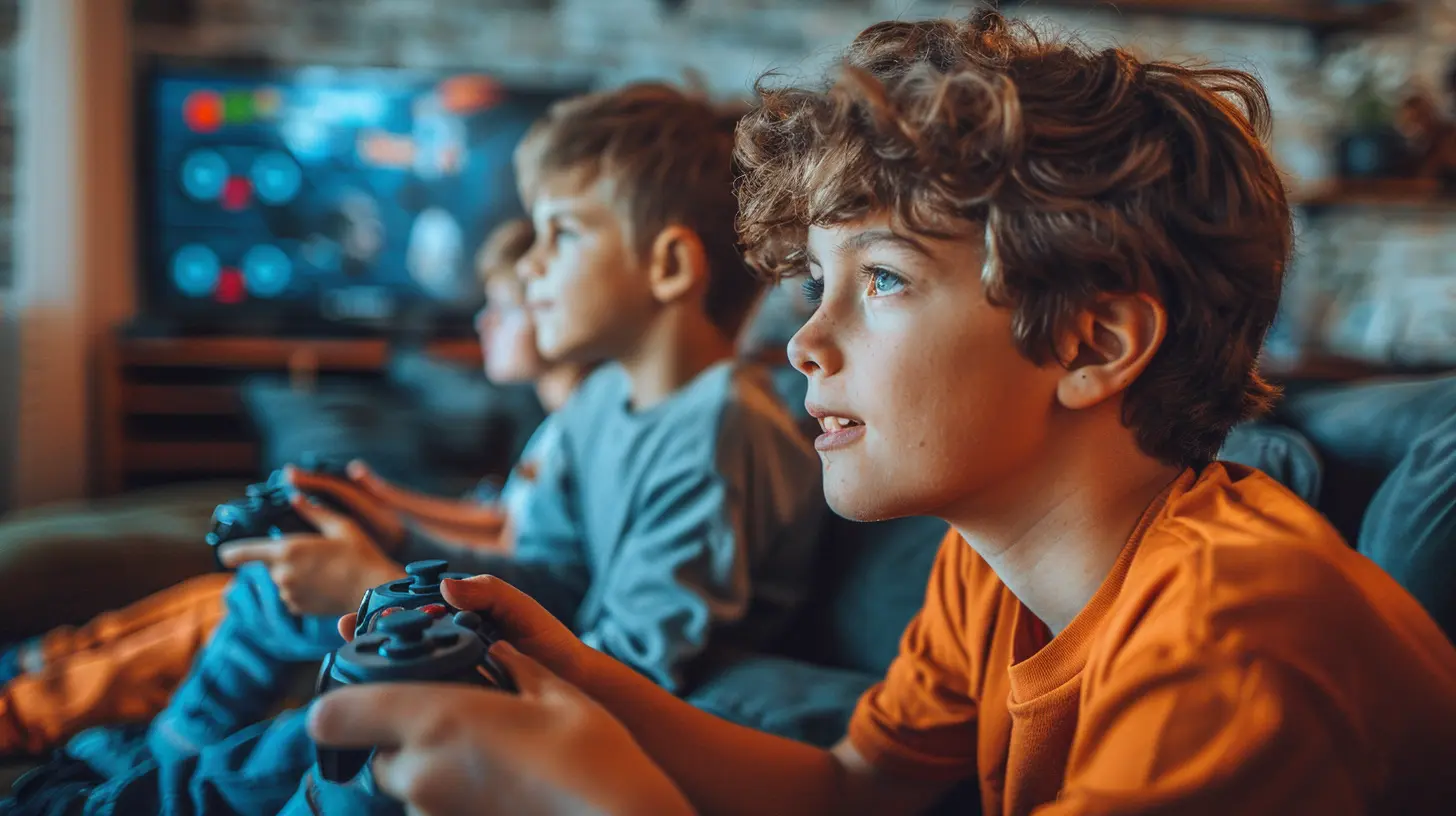
Digital Interactions With Real-Life Impacts
1. Team-Based Games Build Communication Skills
In team-based games, communication is everything. If you’ve ever yelled “on your left!” in an online match or coordinated a raid in an MMORPG like “World of Warcraft,” you’ve practiced real-time strategy and teamwork.These are transferable skills. Just like a sports team, gamers have to figure out roles, share information, and plan reactions. That experience strengthens:
- Verbal communication
- Active listening
- Non-verbal cues (like tone or pacing)
- Conflict resolution
It’s like boot camp for your social muscles—but with loot drops and boss fights.
2. Shared Goals Boost Cooperation
If you’ve ever tried to complete a mission in “Destiny 2” or survive a night in “Minecraft” with friends, you know how powerful shared goals can be. Chasing the same objective creates an unspoken bond. It’s essentially group work…but without the awkward classroom silence and eye-rolls.This kind of cooperation doesn’t just live in the game. Players who regularly collaborate online often bring that teamwork ethic into real-life scenarios—school projects, work assignments, or even group vacations.
3. Safe Environment for Social Practice
Let’s be honest—talking to people can be scary, especially if you’re shy or introverted.That’s where video games shine. They create a low-risk environment where you can practice social interaction. You can make jokes, learn how to read a room (or lobby), and test your boundaries without the fear of face-to-face pressure.
And if things go south? You can just log off and try again tomorrow. It’s like social training wheels.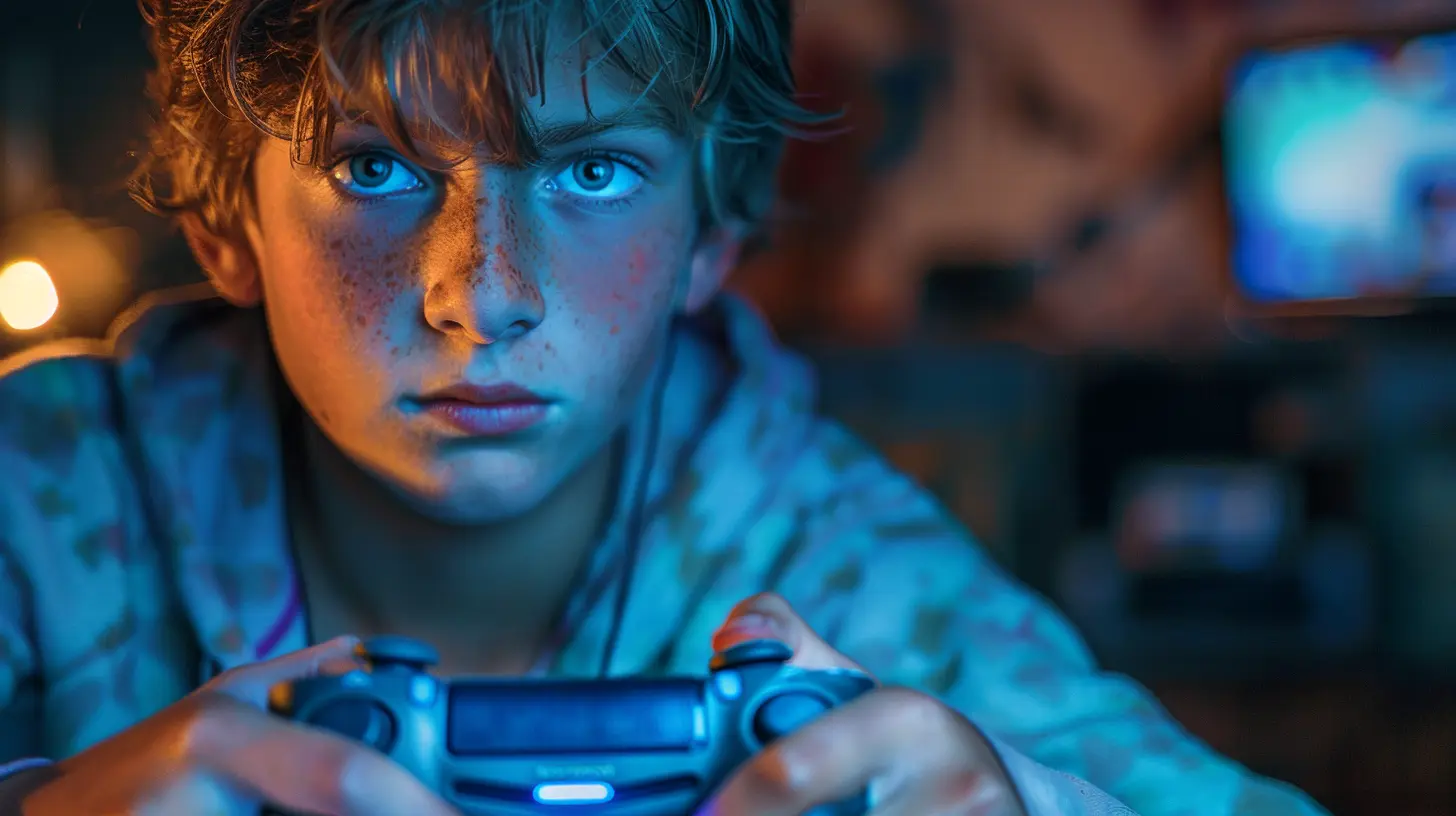
The Psychology Behind It
So what’s going on in our brains when we play games socially?According to psychologists, games offer a sense of belonging, competence, and autonomy—all key components of healthy social development. When gamers feel part of a community, their confidence grows. And when that confidence grows, they’re more likely to carry it into their offline world.
There’s even research showing that online gaming communities can serve as social support networks, especially for people dealing with anxiety, depression, or isolation. A few good teammates can sometimes be as uplifting as a therapy session.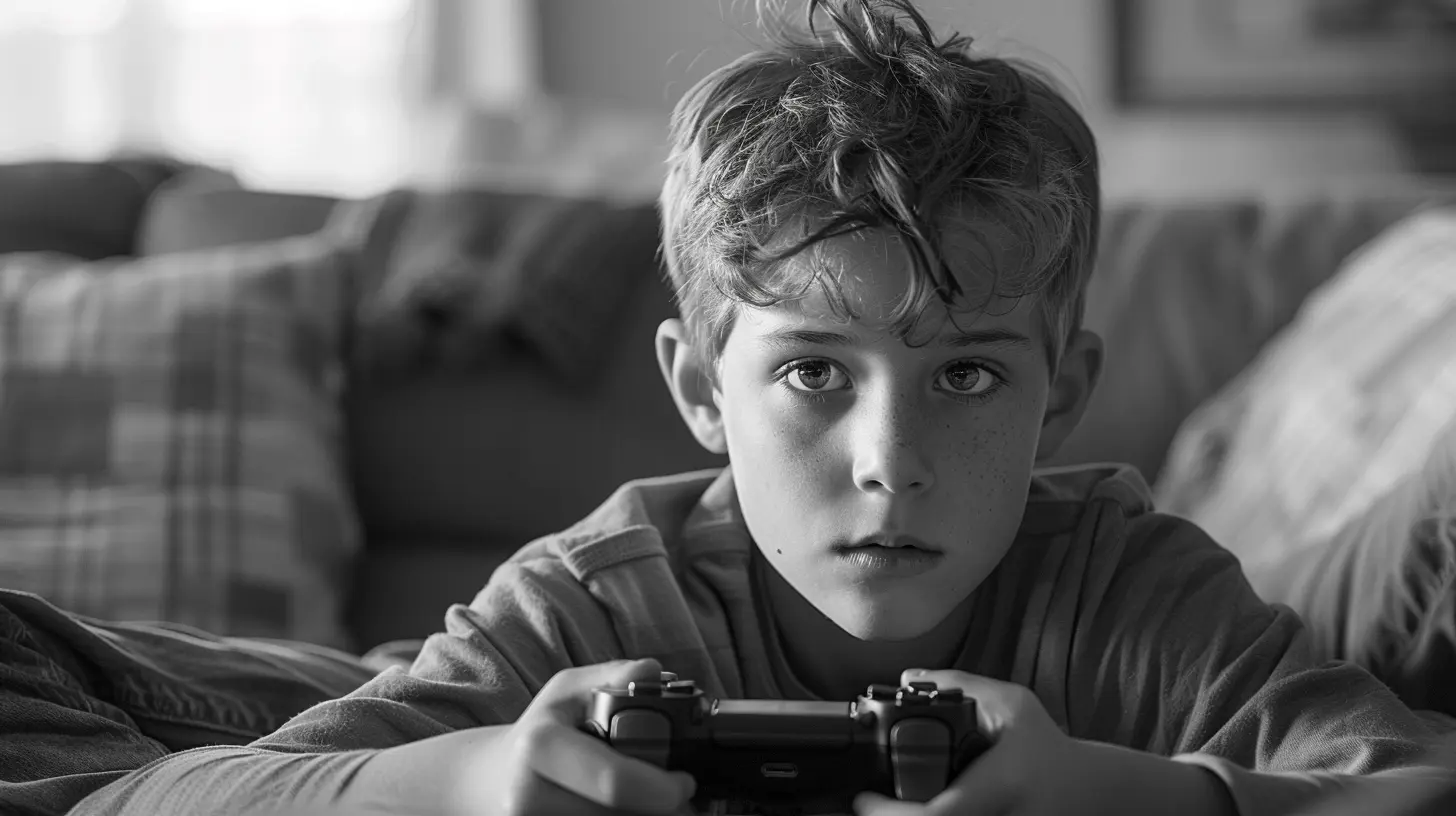
But What About Toxic Behavior?
Let’s not sugarcoat it—toxic behavior in gaming exists. Trash talk can turn into harassment, and games like "League of Legends" or "Call of Duty" are often called out for their, uh… colorful communities.So, does this cancel out the social benefits?
Not necessarily. In fact, being exposed to toxic behavior can help players build thicker skin, learn conflict management, and establish boundaries. It’s like learning how to navigate a rough crowd at a party—you figure out how to speak up, log off, or mute the negativity.
Plus, many developers have begun cracking down on bad behavior with reporting systems, bans, and in-game consequences. The culture is shifting, and that’s a good thing.
Gaming as a Social Bridge
1. Making Friends Worldwide
What other hobby lets you befriend someone from Australia, Canada, and Japan on the same day? Online games erase geographic barriers, letting you connect over shared interests.Many lifelong friendships (and even marriages!) have started in guild chats or Discord servers. For people who struggle to make connections in their physical surroundings—whether due to discrimination, disability, or social anxiety—games are a social lifeline.
2. Gamers and Real-Life Friendships
People often think gamers only interact online. But surveys show that gamers often bring their virtual friends into the physical world, meeting up at conventions, tournaments, or casual hangouts.In fact, according to a Pew Research study, more than half of teenage boys say they feel closer to friends because of online gaming experiences. The friendships formed in-game often blossom into real-world support systems.
Games That Specifically Encourage Social Behavior
Not all games are created equal when it comes to social interaction. Here are a few titles that actively promote social behavior:- Animal Crossing: New Horizons – Encourages kindness, gift-giving, and visiting friends’ islands.
- It Takes Two – Requires two players to communicate and cooperate constantly just to complete the game.
- Overcooked 2 – A chaotic cooking game that’s basically group therapy for communication.
- VRChat – Entirely built around socializing in virtual reality.
- Final Fantasy XIV – One of the friendliest MMORPGs out there, known for its welcoming community.
These games do more than entertain. They teach us how to cooperate, share, empathize, and solve problems together.
The Future of Social Gaming
The social element of gaming is only going to get more advanced. With the rise of virtual reality (VR), augmented reality (AR), and AI-driven NPCs that can have conversations, the line between digital and real-world interaction is blurring fast.Imagine stepping into a virtual meeting room instead of a Zoom call or attending a concert inside a game with thousands of fans from around the globe. We’re barely scratching the surface, but one thing’s clear—games are becoming a new platform for real-world social engagement.
What Parents and Educators Should Know
Worried about screen time? That’s fair. But instead of banning games outright, it’s smarter to guide kids toward games that promote positive interaction.Games can be gateways, not roadblocks. When moderated properly, they can:
- Improve empathy
- Boost communication skills
- Encourage collaboration
- Teach emotional regulation
So instead of asking, “How much are you playing?” maybe the better question is, “Who are you playing with, and what are you learning together?”
Final Thoughts: So, Can Video Games Improve Real-Life Social Behavior?
Absolutely. Video games, when used mindfully, can be a powerful tool in shaping how we communicate, empathize, and connect with others. They’re not just about high scores or flashy graphics. They’re about human connection in digital worlds—and those skills don’t stay on the screen.We laugh with people who are miles away. We plan with teammates who don’t even speak our language. We fail, retry, and win together.
And in all of that, we grow.
So the next time someone says gaming is anti-social, just smile and invite them to your squad. They'll learn soon enough.
all images in this post were generated using AI tools
Category:
Games And Social SkillsAuthor:

Aurora Sharpe
Discussion
rate this article
2 comments
Miranda Curry
Absolutely! Video games can enhance real-life social behavior by fostering teamwork, improving communication skills, and building empathy. When applied thoughtfully, they serve as powerful tools for social development.
April 8, 2026 at 2:36 AM
Aurora Sharpe
Thank you for your insightful comment! I agree—video games can indeed play a significant role in enhancing social skills and fostering meaningful connections.
Orion McCord
Sure, video games can boost social skills—just look at how many friends I’ve ‘made’ while strategizing over virtual tea in my gaming guild! Who knew battling zombies could teach me more about teamwork than group projects ever did?
April 6, 2026 at 4:02 PM
Aurora Sharpe
Absolutely! Video games can foster teamwork and communication, often creating lasting friendships in the process. Your experience highlights their potential for enhancing social skills in a fun, engaging way.